Post written by: Saurabh Sharma
Technology becomes more meaningful when it is designed around people’s needs.
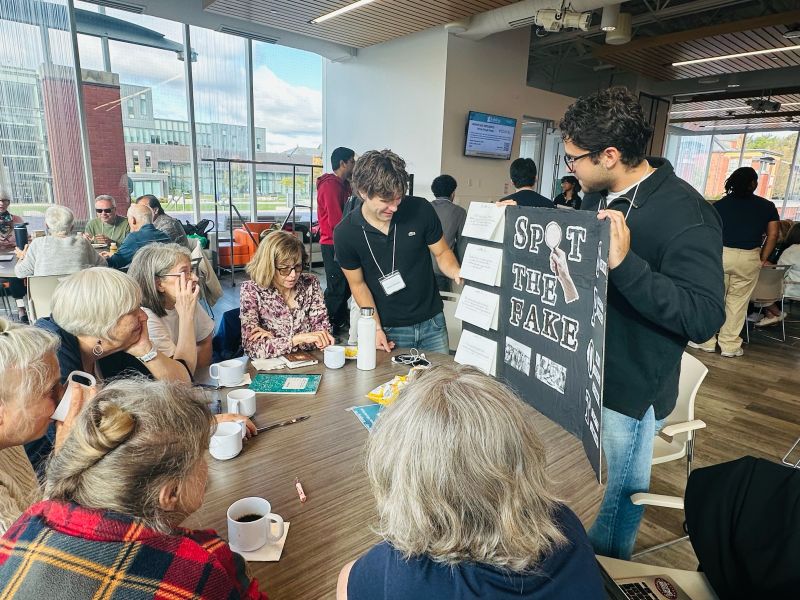
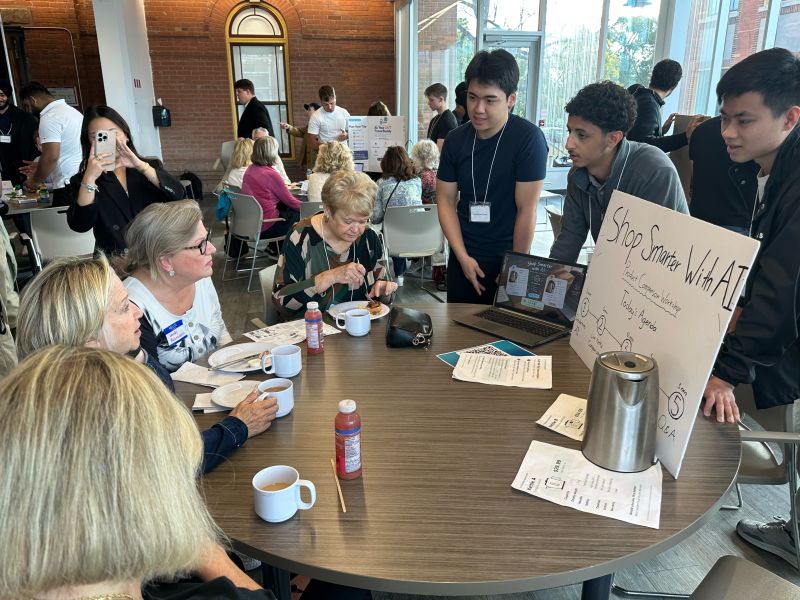
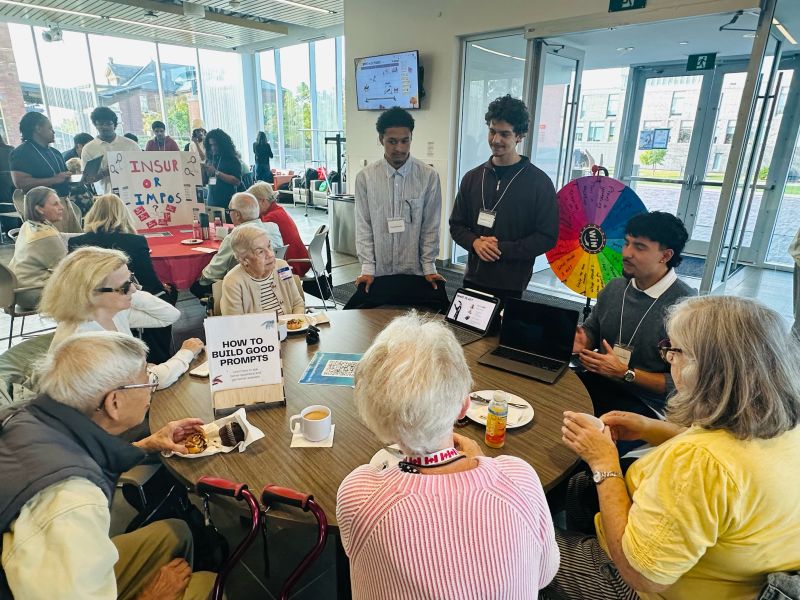
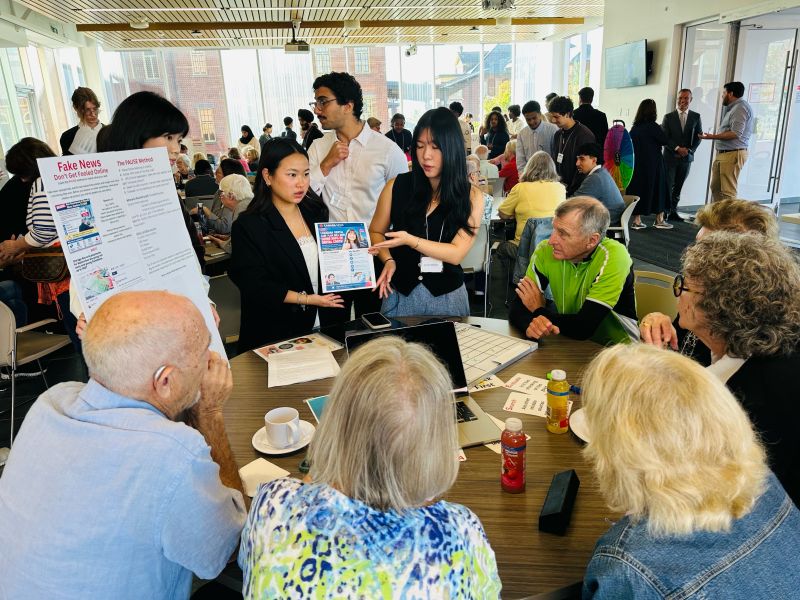
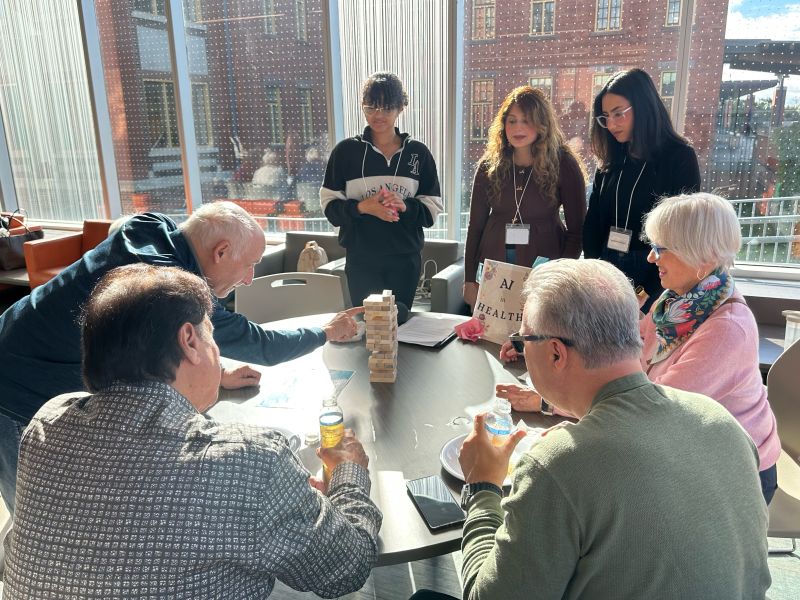
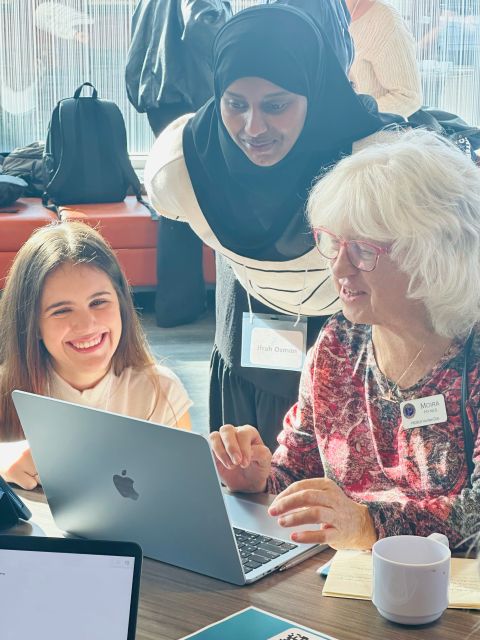
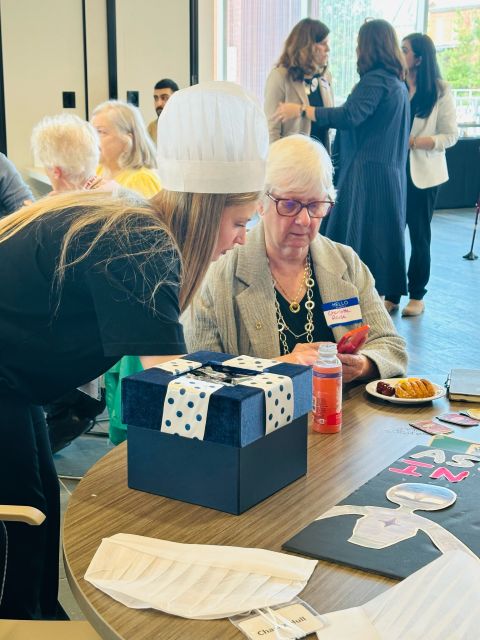
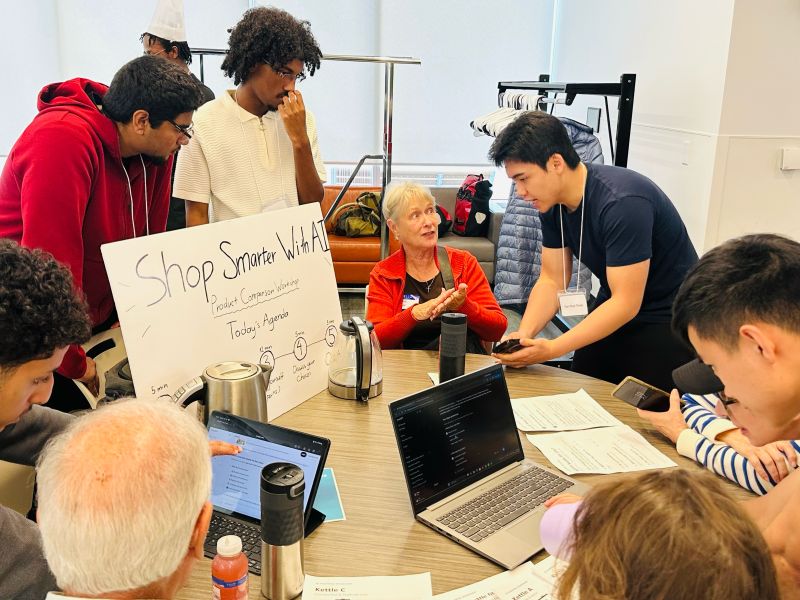
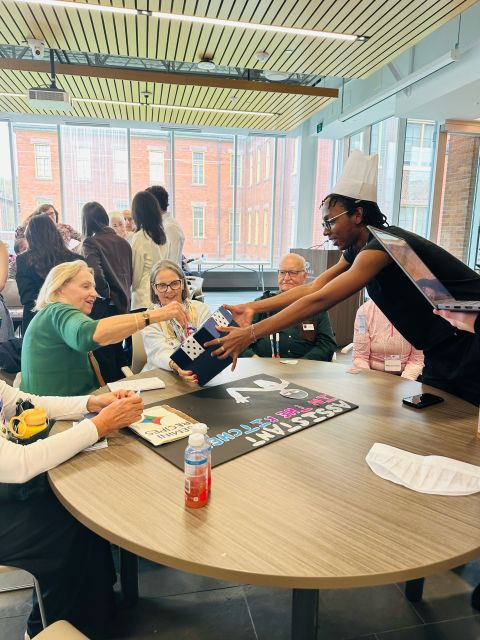
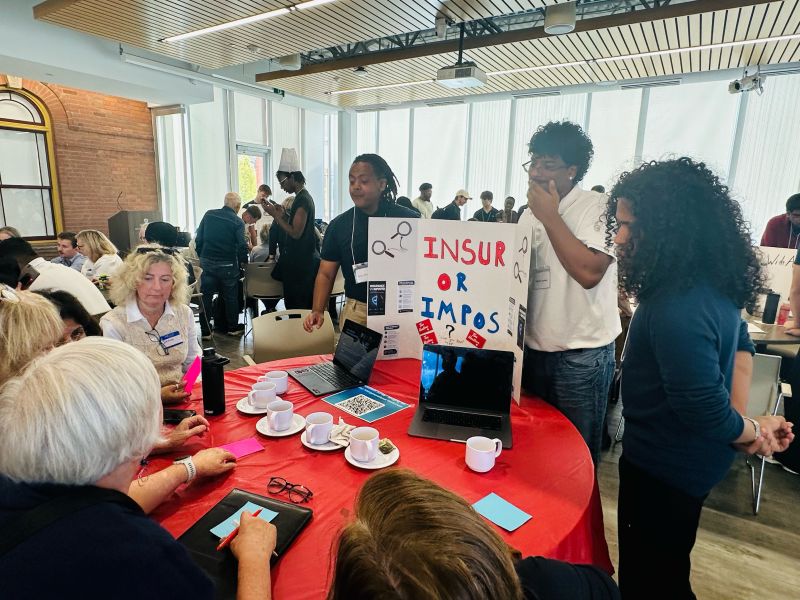
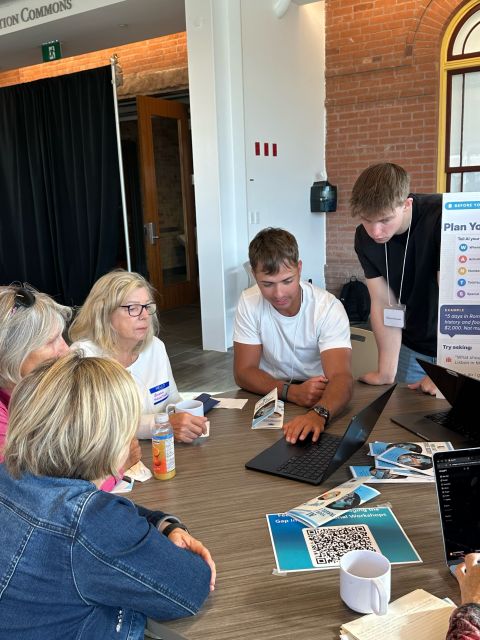
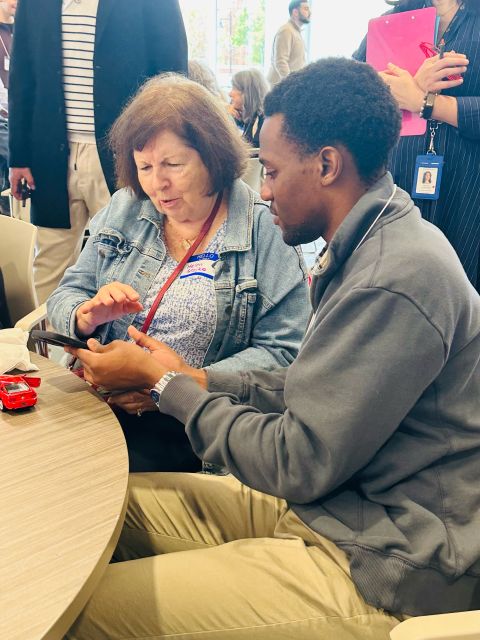
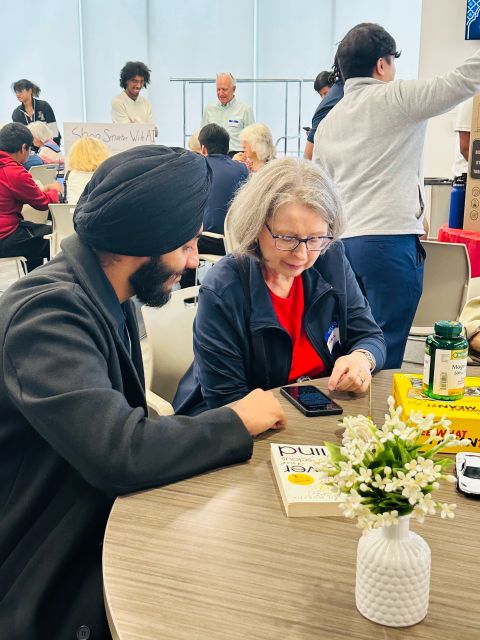
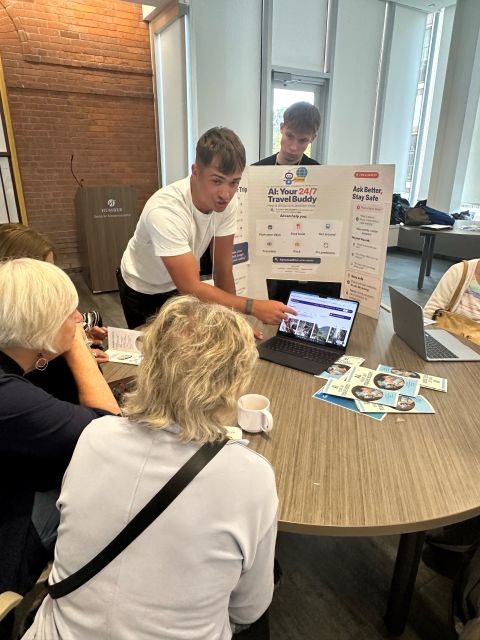
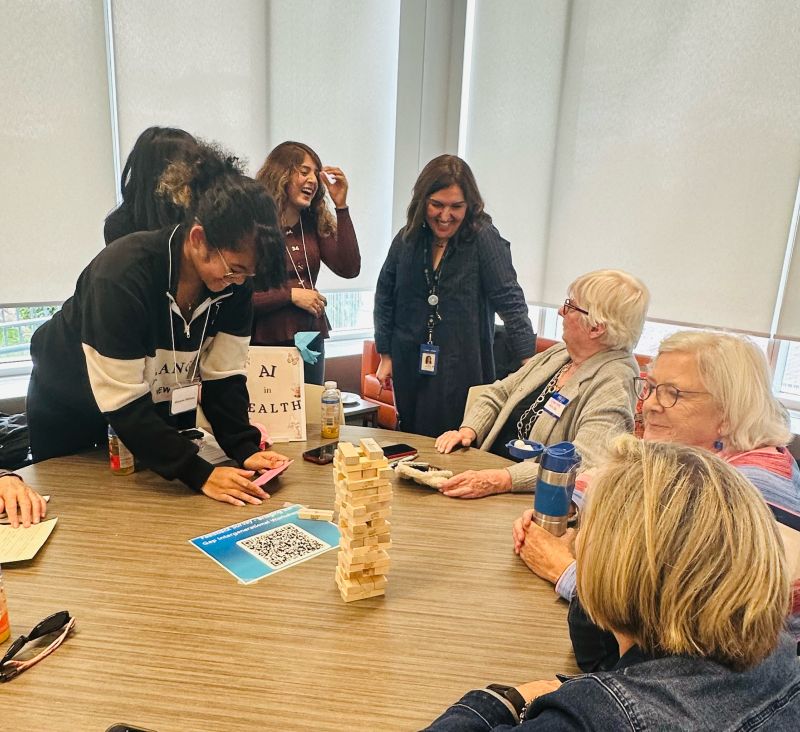
This idea came to life at Humber Polytechnic’s Lakeshore Campus during an intergenerational workshop that brought together more than 60 older adults from the community and students in the Bachelor of Commerce Digital Business Management program. As part of our Digital Systems & User-Centric Design course, we had the opportunity to introduce older adults to artificial intelligence through interactive and practical activities. Our class designed and facilitated nine mini-workshops, allowing participants to explore different ways AI can be used in everyday life.
The topics included:
🔹 Prompting: Learn how to ask AI better questions
🔹 Fake or Real?: Can you tell when an image or video was created by AI?
🔹 Fake News: Explore how AI can complicate what we trust online
🔹 AI in Health: Explore AI and everyday health information
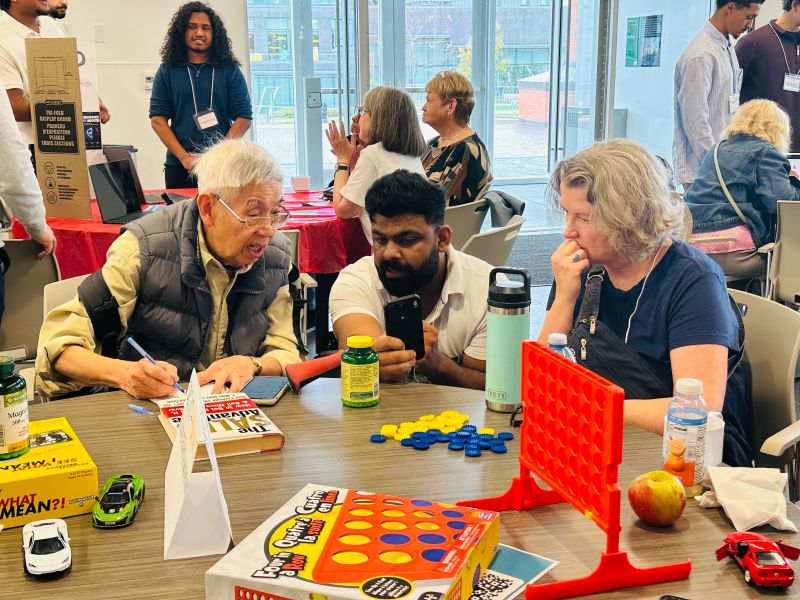
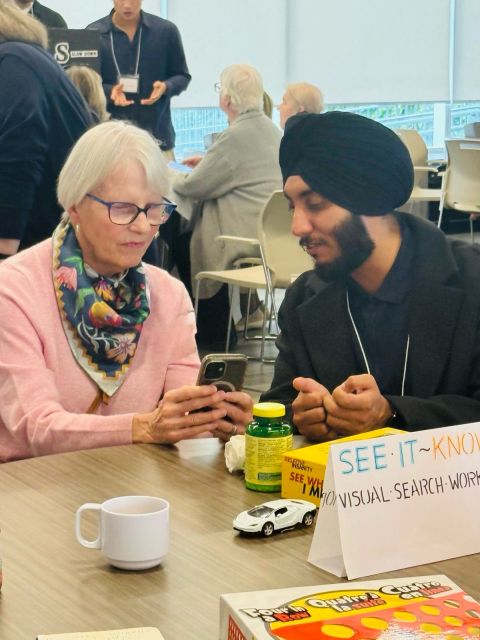
🔹 See It → Know It: Discover how AI can help identify what you see
🔹 Travel Buddy: Use AI to help plan your next adventure
🔹 AI in the Kitchen: Explore AI for recipes, meal ideas, and more
🔹 Insurance or Imposter? Learn to recognize suspicious messages & scams
🔹 AI Shopping Assistant: Discover how AI can help research and compare products
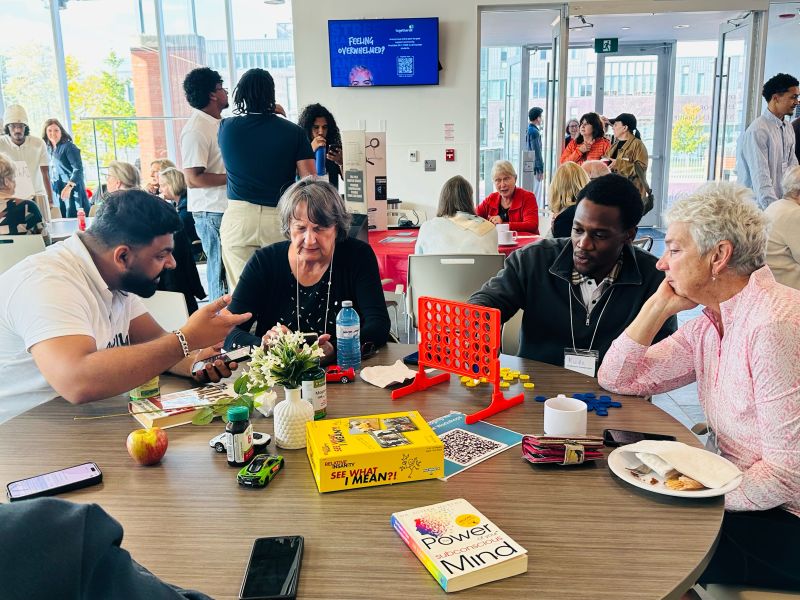
I was the part of “See it → Know it” group where we demonstrated how artificial intelligence can interpret pictures and turn visual information into useful knowledge. I particularly remember having a conversation with an 81-year-old participant who asked me whether AI could translate different languages. To demonstrate this, I used a real-life example by taking a picture of a multivitamin package with instructions written in French. Using Google’s AI tool, Gemini, I showed him how we could translate the information into English within seconds.
It was a simple yet meaningful moment that demonstrated how AI can make everyday tasks easier and help people overcome language barriers. Seeing how a practical example could introduce someone to a new use of technology made the experience especially rewarding for me.
Our group used everyday examples to make the experience engaging and easy to understand. For instance, we showed AI a picture of a toy car resembling a Ford Mustang and demonstrated how it could identify the vehicle and provide information about its features and specifications. We also used pictures of flowers to show how AI could recognize and describe different objects. What I found most interesting was how a simple picture could become an opportunity to learn something new. It showed me that AI does not always need to be complicated or technical. Sometimes, a simple demonstration using familiar everyday objects is enough to help someone understand their potential.
Personally, this workshop gave me a different perspective on technology and its role in society. Before this experience, I mainly viewed AI through the lens of its capabilities and business applications. However, interacting with older adults helped me understand that the real value of technology comes from how effectively it addresses people’s everyday needs.
I also realized that introducing someone to new technology requires patience, communication, and an understanding of different learning styles. It is not just about showing people what a tool can do; it is about helping them feel comfortable exploring it themselves.
The workshop was also a wonderful opportunity for intergenerational learning. More than 60 older adults joined us to share experiences, ask questions, and explore technology together. It reminded me that learning is a two-way process, where students and community members can learn from one another.
I am grateful to have been part of an experience that brought classroom learning into the community. It reinforced an important lesson for me: the future of technology is not just about making AI more advanced; it is about making it more accessible, understandable, and useful for everyone.
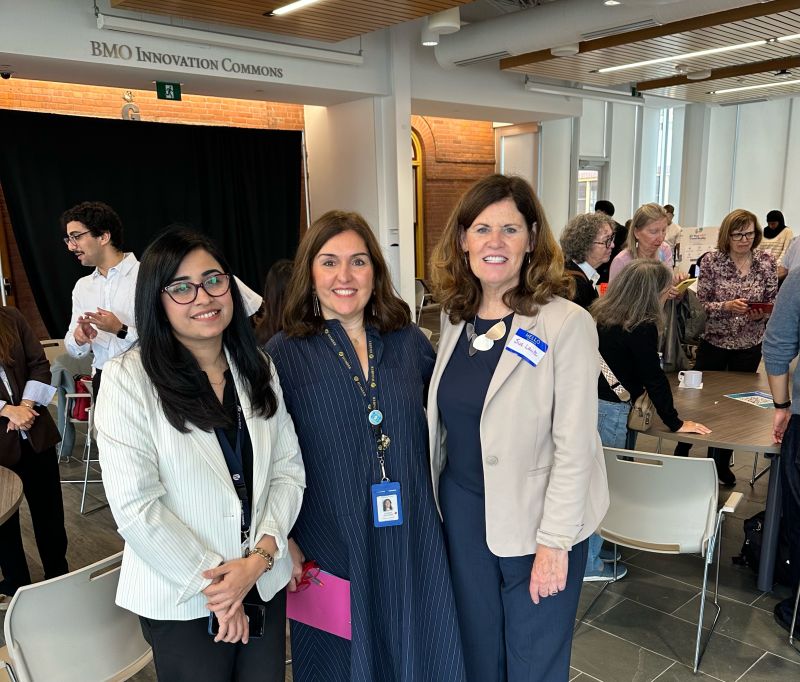
A special thank you to Sue Lantz, Fatima Momin and Humber Research & Innovation for making this happen!
Looking forward to more opportunities to connect our program with the community through experiential learning! 🚀