Written by Jasleen Kaur and Fabio Byate – Bachelor of Commerce – Digital Business Management
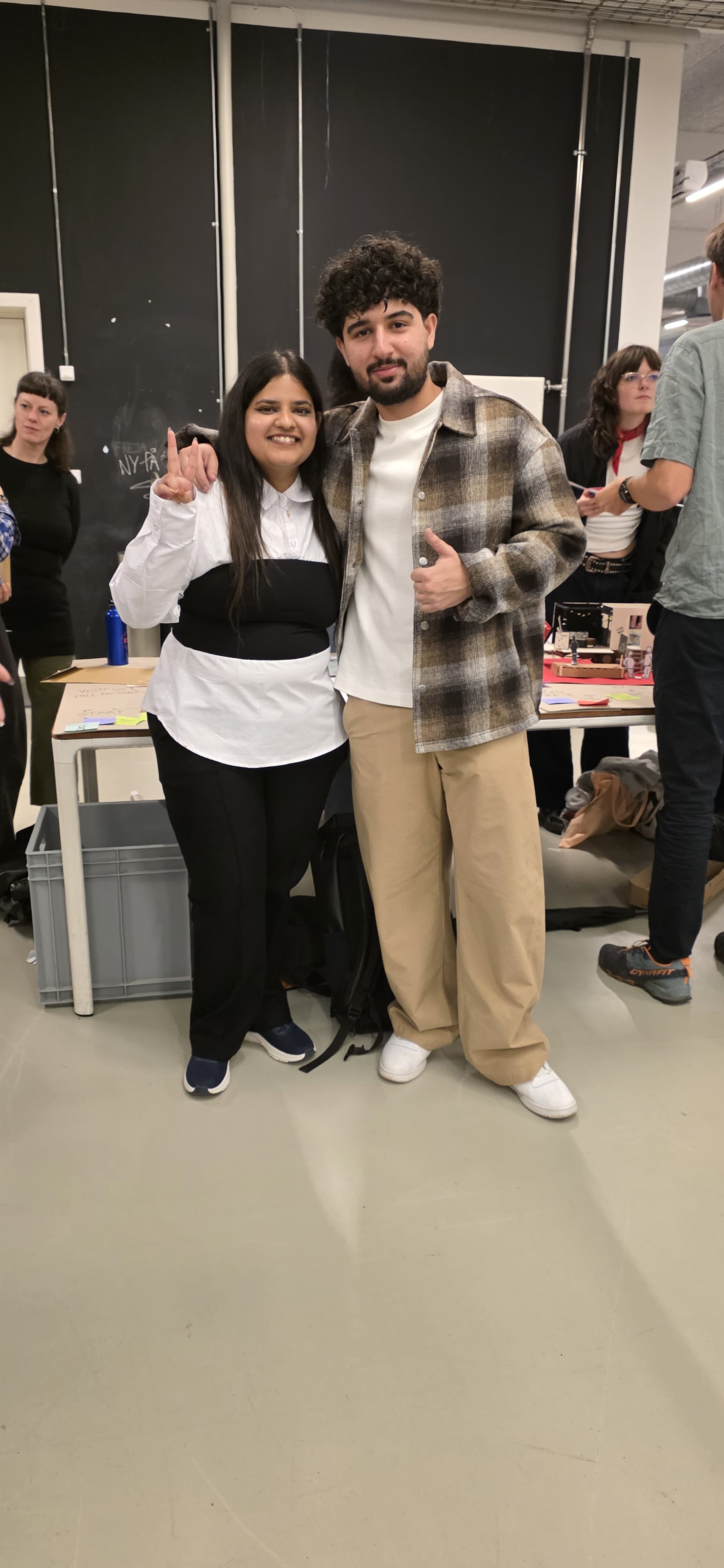
This October, eight students from Humber Polytechnic’s North and Lakeshore campuses traveled to Copenhagen, Denmark, to represent both Humber and Canada at the annual EK Charrette 2026, hosted by EK Business Academy Copenhagen (KEA). Among the Canadian delegation were two fourth-year students from our own Digital Business Management Bachelor of Commerce program: Jasleen Kaur and Fabio Byate.
By definition, a charrette is an intensive, fast-paced collaborative workshop where multidisciplinary teams of students, designers, planners, and stakeholders come together to tackle complex real-world problems. Centered on this year’s theme, “Cities Who Care: Urban Well-Being and Belonging,” the event challenged international teams to rethink how urban spaces can become more inclusive, welcoming, and connected. Humber’s Digital Business students rose to the occasion across two separate project teams, culminating in a first-place victory.
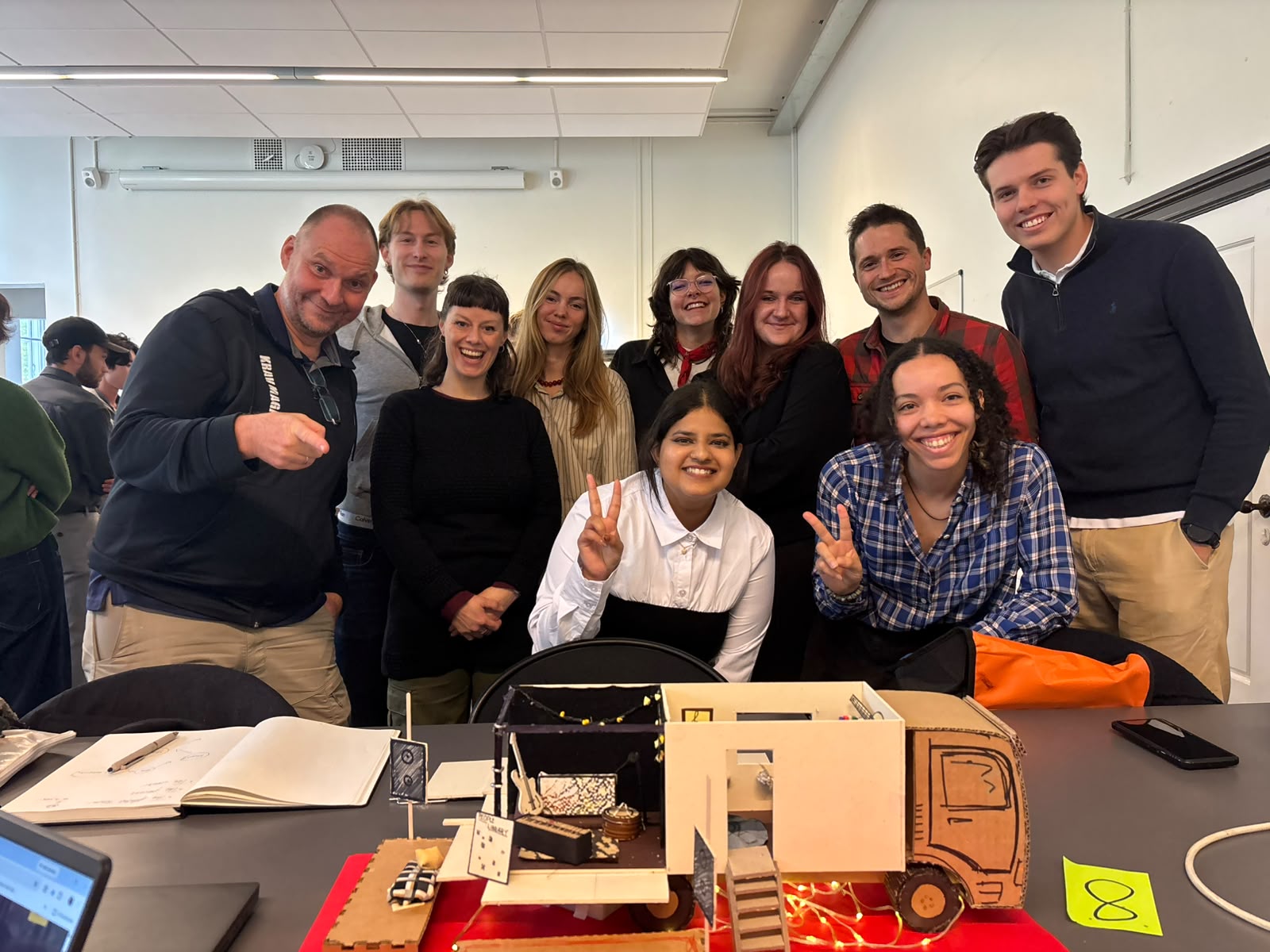
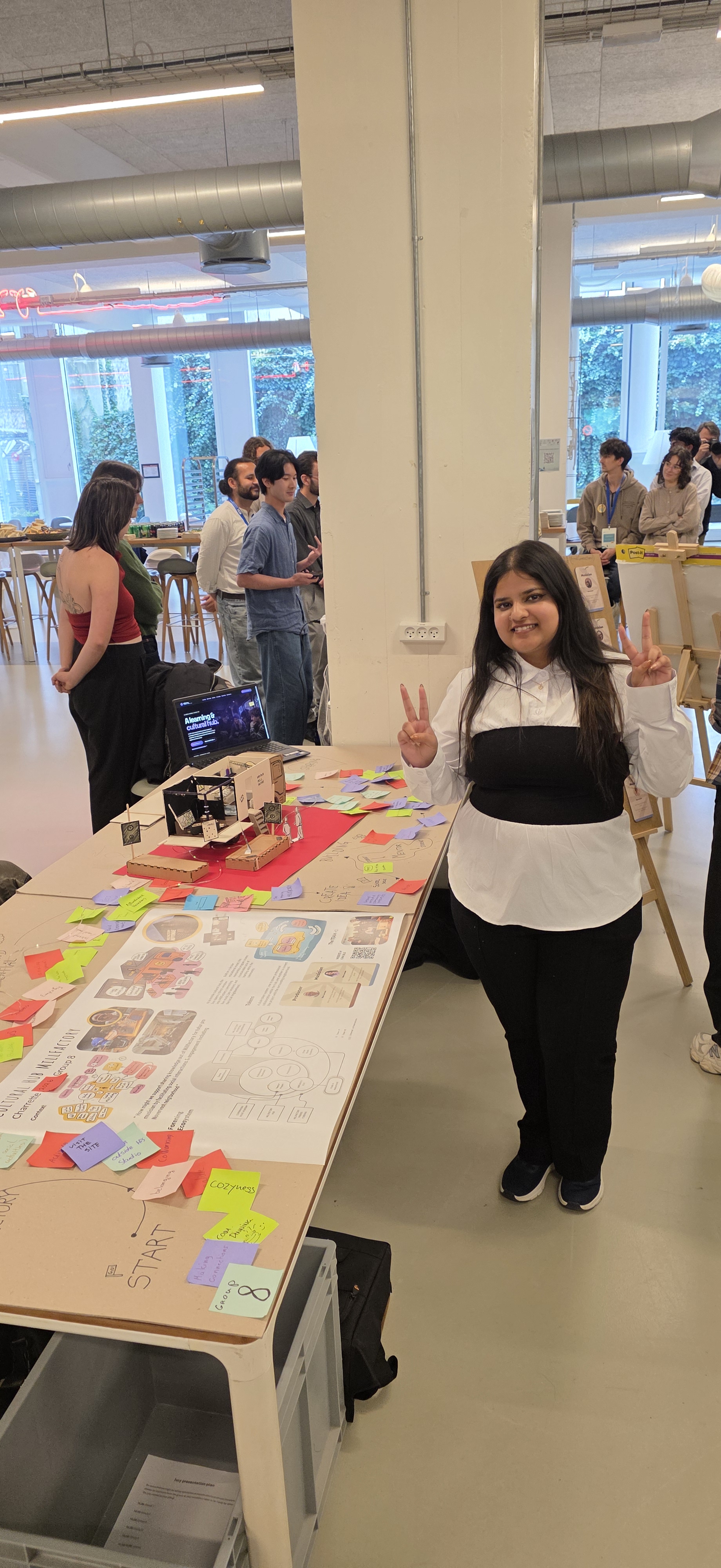
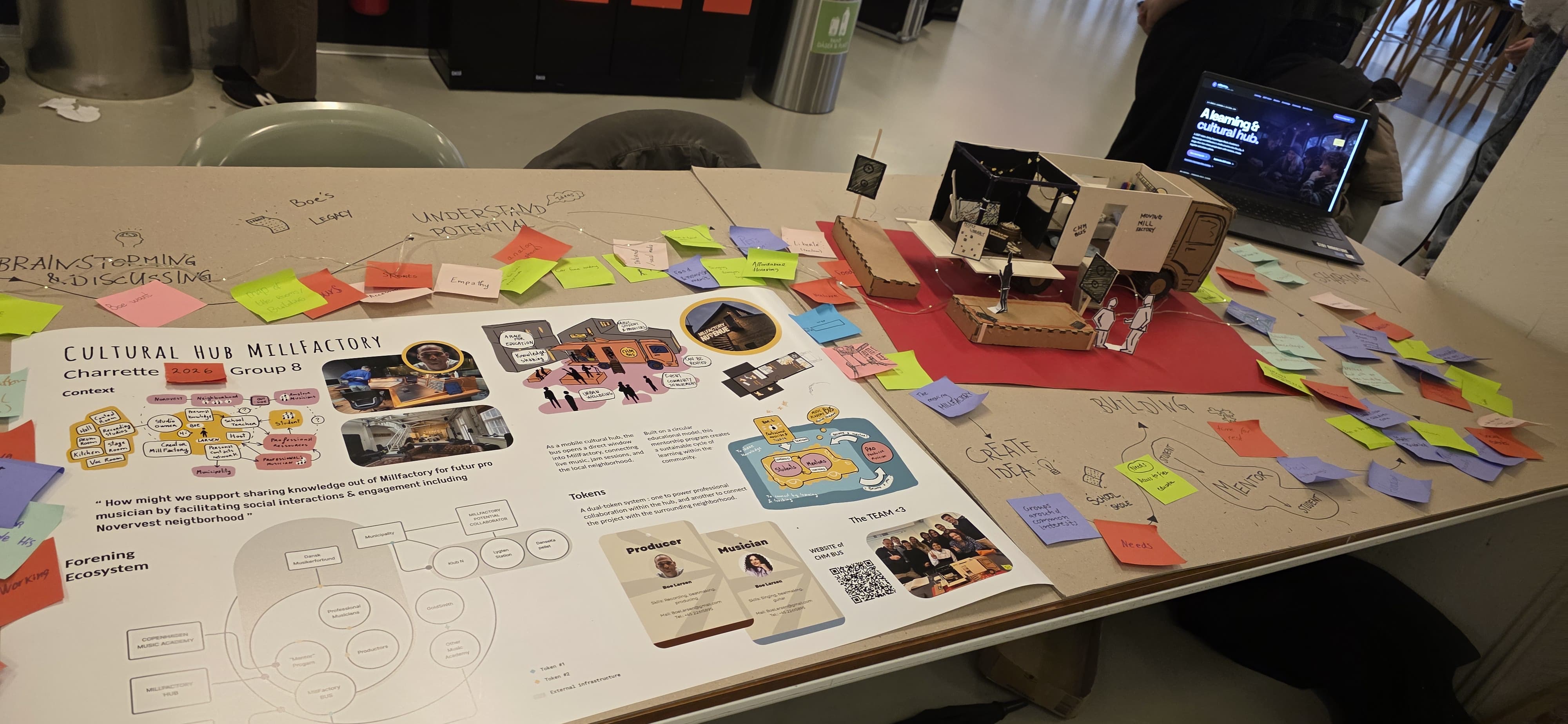
My 10-person team which included local Danish students alongside peers from diverse cultural and academic backgrounds was paired with Millfactory, an established recording studio owned by Boe Larsen. Rather than fixing a struggling business, our challenge was creative expansion: how could we transform an already thriving studio into an accessible cultural hub for the broader Copenhagen community?
Jasleen’s Perspective: Bringing a Music Studio Back to Its Roots and Taking First Place
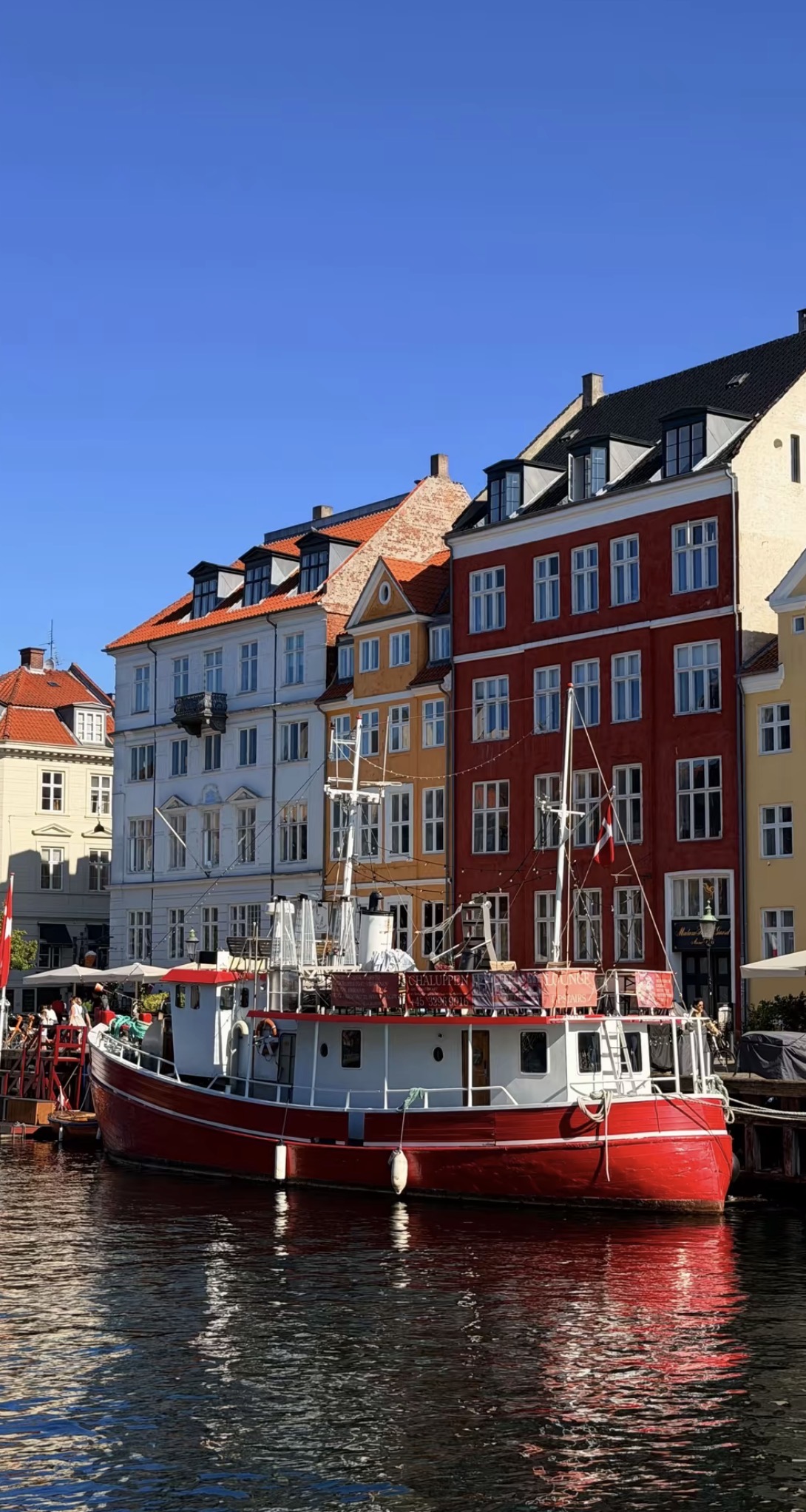
Arriving in Copenhagen on October 2, 2026, we kicked off the five-day experience with a lively welcome lunch, a scenic boat tour through the city’s canals, and an evening social event that immediately broke the ice among students from around the world. The following morning, we met our project collaborators and formed our multidisciplinary teams. We also visited our specific sites in person to have a better understanding of who and what we were working with.
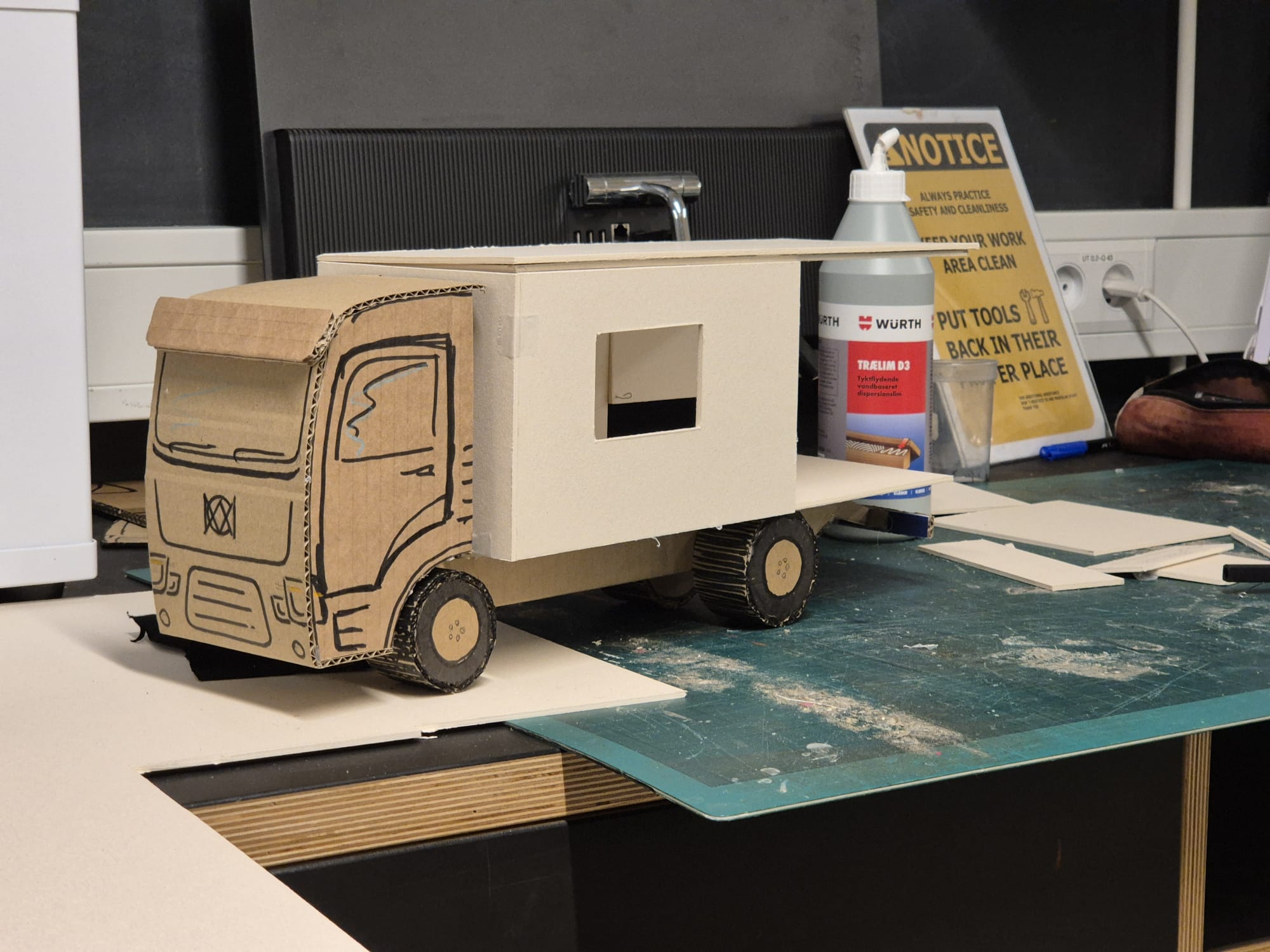
Fuelled by endless coffee, tea, unforgettable Danish pastries, and guidance from Anne Dibbern and the EK organizing team, we spent three full days filling whiteboards with sticky notes, mind maps, and diagrams. After hours of intensive brainstorming, we landed on a bold concept: Millfactory on Wheels, a mobile music studio designed to bring music directly into neighborhoods across the city. Operated through a student-led mentorship model that would pass down Boe’s 25 years of industry expertise from cohort to cohort, the van could function as a mobile classroom, host pop-up live concerts, and offer affordable rental access to emerging musicians.
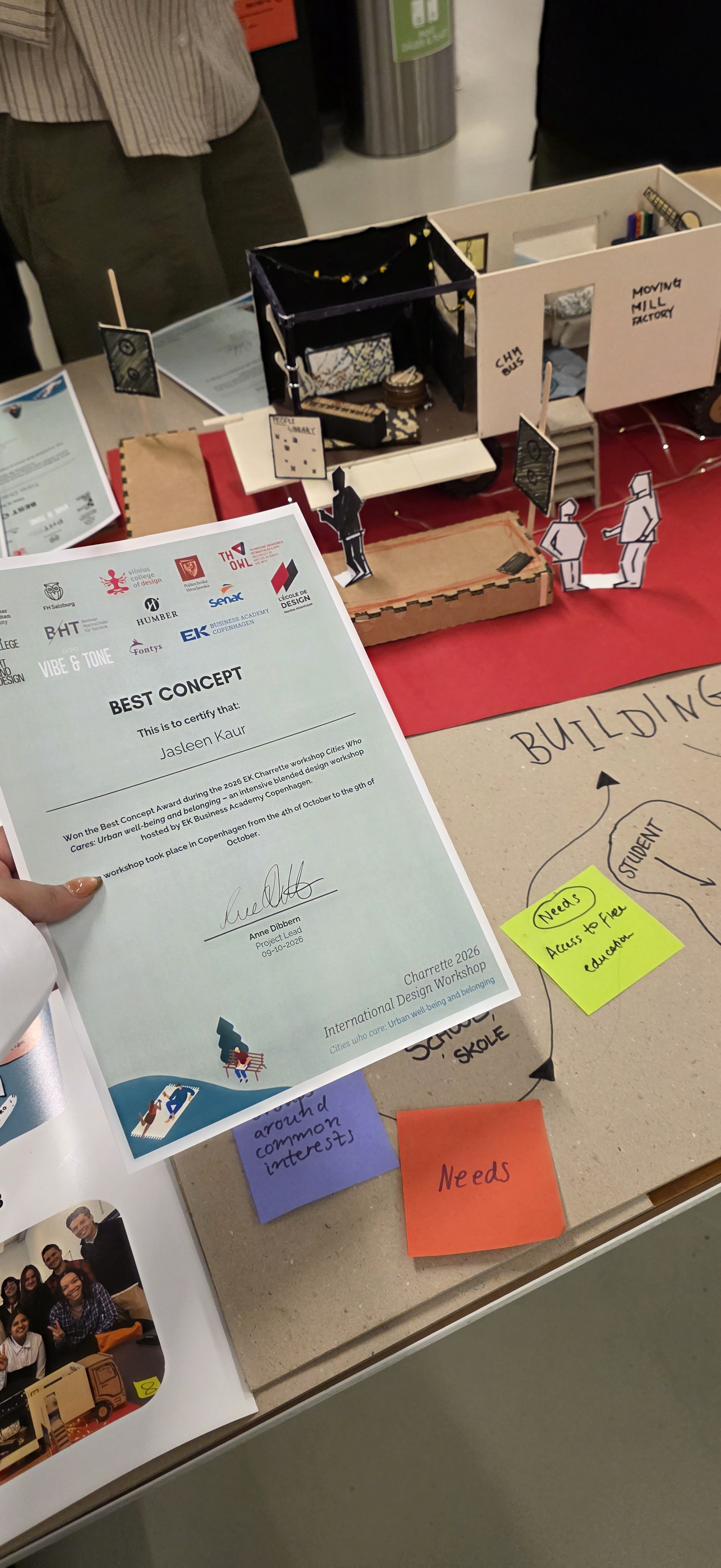
After two of our teammates completed workshop safety training on 3D printers and laser cutters, we measured the grounds outside Millfactory and stayed up until nearly midnight building a scaled physical prototype of the mobile studio. On presentation day, we pitched the concept to Boe and the judging panel, only to learn a remarkable coincidence: Boe had originally started Millfactory out of a van years earlier. Our design had unknowingly taken him right back to his roots while reimagining the studio as a community-driven educational hub. Both Boe and the judges were blown away and our team won first place! Celebrating with music, champagne, and new lifelong friends from around the globe was a moment I will never forget.
Fabio’s Perspective: Sparking Connection Through Music in Public Spaces
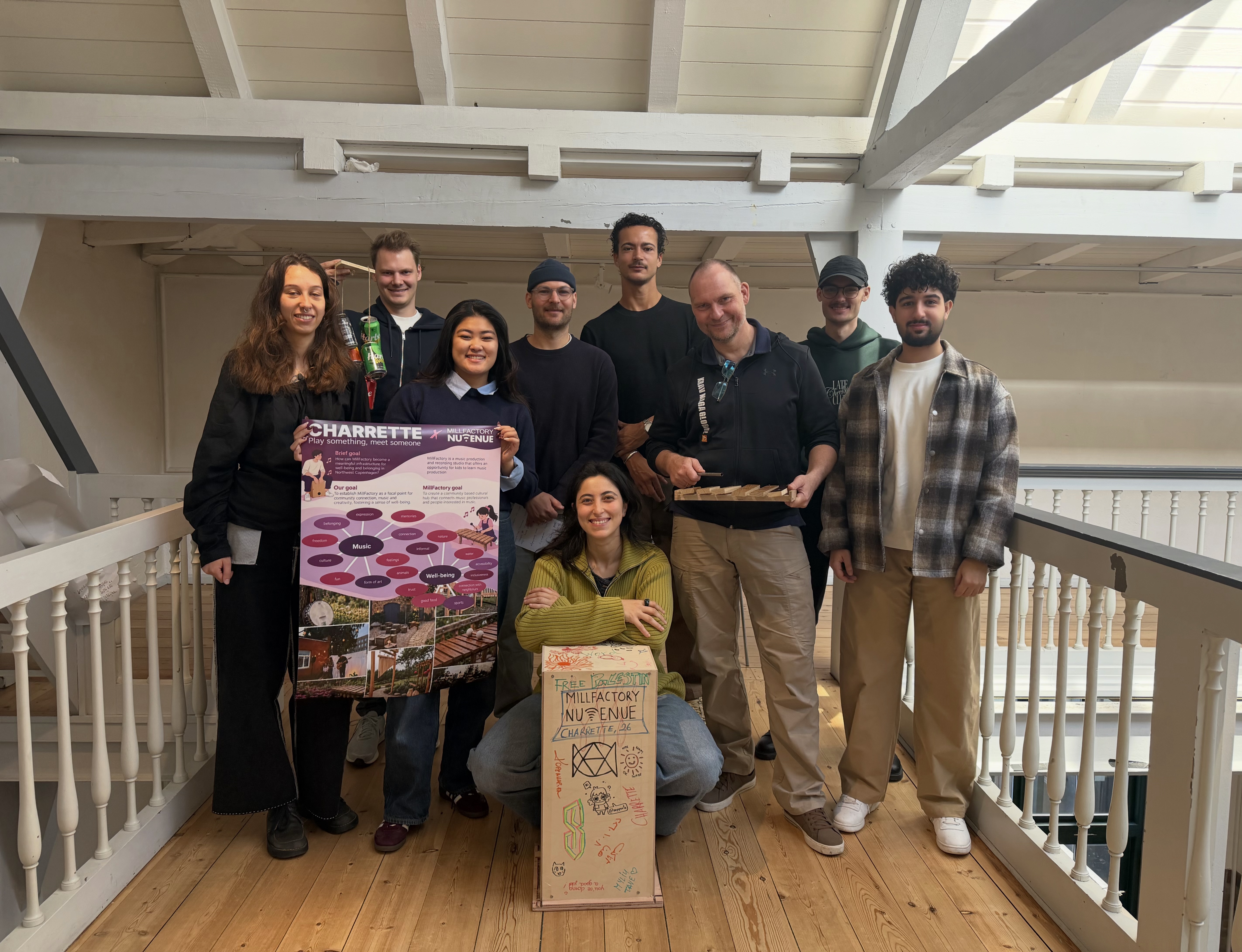
Working on a separate international team alongside students from design, architecture, and business, what stood out to me almost immediately was how differently each discipline approached the exact same problem. Coming from a Digital Business Management background, I naturally focused on feasibility, practicality, and real-world implementation, while my teammates pushed creative boundaries that challenged me to think far beyond my comfort zone.
Our team developed “Play Something, Meet Someone,” a project exploring how music can bridge social divides and bring strangers together in public spaces. By placing accessible musical instruments in shared urban areas, the initiative was designed to spark spontaneous interaction and foster a stronger sense of community belonging, proving that making a city feel welcoming doesn’t always require complex technology or expensive infrastructure. Sometimes, it simply takes giving people a reason to connect.
Beyond the workshop walls, exploring Copenhagen’s walkable, bike-friendly streets and thoughtfully integrated public spaces was a highlight of the trip. Sharing the journey with my older brother, who joined me in Copenhagen while I attended the Charrette, made experiencing a new culture and representing Humber on an international stage even more meaningful, a milestone I am deeply grateful to share with my mom and dad, who have encouraged me every step of the way.
Looking Back and Paying It Forward
While we worked on different teams and tackled distinct creative challenges, we both walked away with the same core takeaway:
“the richest learning happens when you step outside the classroom and listen to perspectives different from your own.”
We extend our sincere thanks to Humber Polytechnic, Hanadi Alnawab (our program coordinator), Longo Faculty of Business, Humber Global Learning and Engagement, and EK Business Academy Copenhagen for making this unforgettable experience possible. To any Humber student considering an international learning opportunity, our advice is simple: apply, step outside your comfort zone, and take the leap, you never know what you might build, who you might meet, or where it might take you.